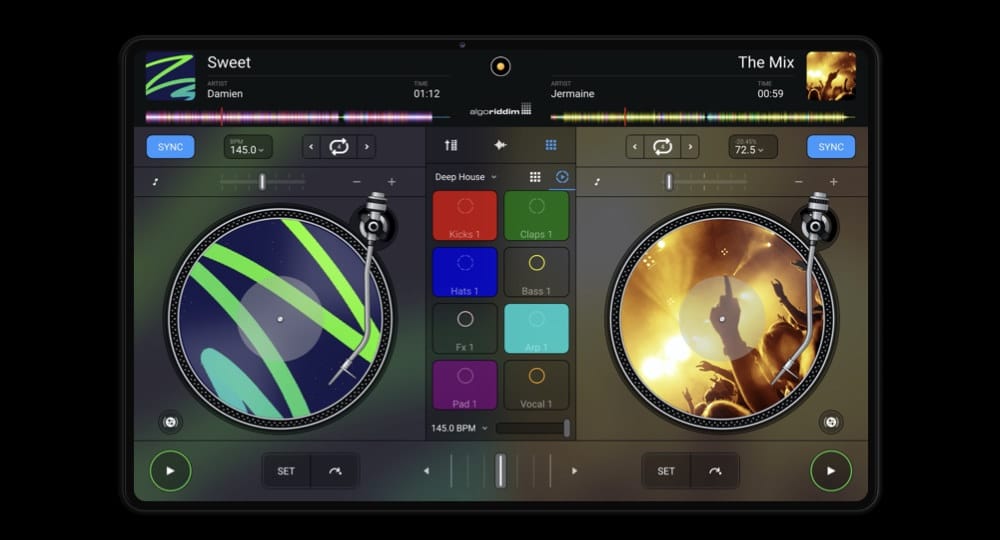
The #1 DJ app on Android
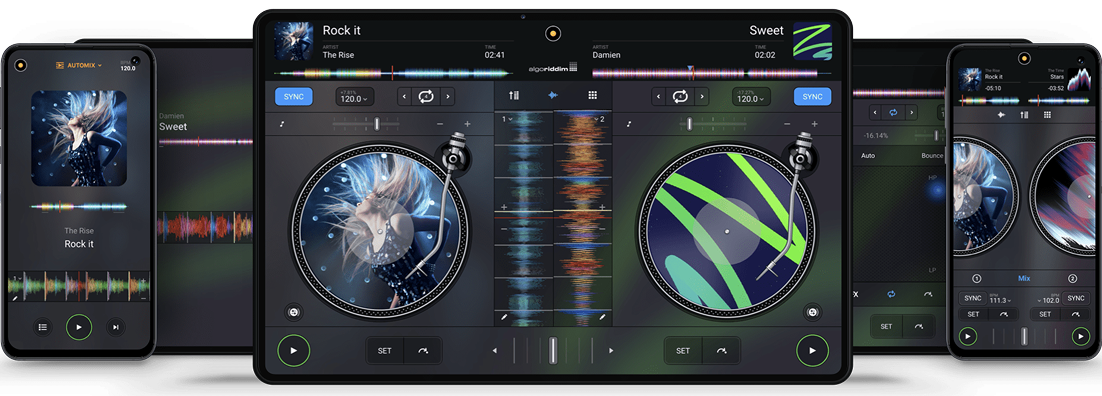
The #1 DJ app on Android
Requires Android 10 or newer • Release Notes
djay transforms your Android device into a full-featured DJ system. Seamlessly integrated with Spotify and Apple Music, djay gives you direct access to millions of songs. You can perform live, remix tracks, or enable Automix mode to let djay create a seamless mix for you automatically. Whether you are a professional DJ or a beginner who just loves to play with music, djay offers you the most intuitive yet powerful DJ experience on an Android device.
But the more direct AD query uses the ActiveDirectory module:
Introduction When BitLocker Drive Encryption is deployed in a managed enterprise environment, Group Policy can be configured to automatically store the recovery password (and key package) in Active Directory. This is a critical disaster recovery measure: if a user forgets their PIN, loses their smart card, experiences a TPM malfunction, or moves a drive to another computer, the recovery key is required to unlock the encrypted volume.
manage-bde -protectors -adbackup c: -id existing-protector-GUID Or, back up all protectors for C: drive:
# On the BitLocker-protected machine, retrieve the recovery key protector's ID manage-bde -protectors -get c: manage-bde -protectors -adbackup c: -id GUID-from-protector-list
# Load AD module Import-Module ActiveDirectory Get-ADObject -Filter objectClass -eq 'msFVE-RecoveryInformation' -SearchBase "CN=ComputerName,OU=Workstations,DC=contoso,DC=com" -Properties msFVE-RecoveryPassword, msFVE-RecoveryGuid Alternatively, search by recovery password ID (GUID) Get-ADObject -Filter msFVE-RecoveryGuid -eq "GUID-HERE" -Properties msFVE-RecoveryPassword Option B: Using ActiveDirectory Module to Search by Computer $computerName = "WS-10234" $computer = Get-ADComputer $computerName $recoveryInfo = Get-ADObject -Filter objectClass -eq 'msFVE-RecoveryInformation' -SearchBase $computer.DistinguishedName -Properties msFVE-RecoveryPassword, msFVE-RecoveryGuid $recoveryInfo | Select-Object Name, @N="RecoveryPassword";E=$ .msFVE-RecoveryPassword, @N="PasswordID";E=$ .msFVE-RecoveryGuid Method 3: Using manage-bde (Local or Remote via PSExec) If you are on the local computer or can access it remotely, you can query AD via manage-bde.
# Import the required module Import-Module BitLocker Get-BitLockerRecoveryKey -MountPoint "C:" -ComputerName "PC-USER01"
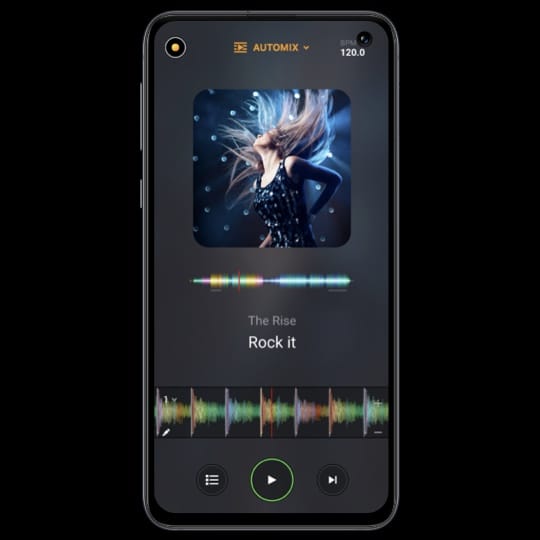
Lean back and listen to an automatic DJ mix with stunning transitions. Automix AI intelligently identifies rhythmic patterns including the best intro and outro sections of songs to keep the music flowing.
But the more direct AD query uses the ActiveDirectory module:
Introduction When BitLocker Drive Encryption is deployed in a managed enterprise environment, Group Policy can be configured to automatically store the recovery password (and key package) in Active Directory. This is a critical disaster recovery measure: if a user forgets their PIN, loses their smart card, experiences a TPM malfunction, or moves a drive to another computer, the recovery key is required to unlock the encrypted volume. get bitlocker recovery key from ad
manage-bde -protectors -adbackup c: -id existing-protector-GUID Or, back up all protectors for C: drive: But the more direct AD query uses the
# On the BitLocker-protected machine, retrieve the recovery key protector's ID manage-bde -protectors -get c: manage-bde -protectors -adbackup c: -id GUID-from-protector-list loses their smart card
# Load AD module Import-Module ActiveDirectory Get-ADObject -Filter objectClass -eq 'msFVE-RecoveryInformation' -SearchBase "CN=ComputerName,OU=Workstations,DC=contoso,DC=com" -Properties msFVE-RecoveryPassword, msFVE-RecoveryGuid Alternatively, search by recovery password ID (GUID) Get-ADObject -Filter msFVE-RecoveryGuid -eq "GUID-HERE" -Properties msFVE-RecoveryPassword Option B: Using ActiveDirectory Module to Search by Computer $computerName = "WS-10234" $computer = Get-ADComputer $computerName $recoveryInfo = Get-ADObject -Filter objectClass -eq 'msFVE-RecoveryInformation' -SearchBase $computer.DistinguishedName -Properties msFVE-RecoveryPassword, msFVE-RecoveryGuid $recoveryInfo | Select-Object Name, @N="RecoveryPassword";E=$ .msFVE-RecoveryPassword, @N="PasswordID";E=$ .msFVE-RecoveryGuid Method 3: Using manage-bde (Local or Remote via PSExec) If you are on the local computer or can access it remotely, you can query AD via manage-bde.
# Import the required module Import-Module BitLocker Get-BitLockerRecoveryKey -MountPoint "C:" -ComputerName "PC-USER01"
Sign up for our newsletter
I would like to read about the latest and greatest on the djay product line by Algoriddim. If I should change my mind, I can unsubscribe at any time. Further information can be found in the privacy policy.