Arsha Vidya Pitham, Saylorsburg, PA

Manali Snow Time Today

From late December to February, the famous hill station dons its purest avatar. The familiar pine forests, cozy cafes, and wooden balconies disappear under a thick, sparkling layer of snow. The River Beas, which usually gurgles with youthful energy, slows down, its edges freezing into delicate crystals.

When winter cloaks the Himalayas in a blanket of white, Manali transforms into something straight out of a dream. The "snow time" in Manali is not just a season; it’s a feeling, an experience, and a memory that lingers forever. manali snow time

If you’ve never seen Manali in its snow time, you haven’t seen Manali at all. Pack your warmest coat, leave your worries behind, and go chase the snow. From late December to February, the famous hill

Walking through the Mall Road during snow time is magical. The crunch of fresh snow beneath your boots, the chill in the air that bites your cheeks, and the sight of fluffy white flakes drifting down from a grey sky – it feels like a live postcard. Children build snowmen, couples steal warm hugs, and vendors sell hot Maggi noodles and steaming cups of chai, creating a perfect contrast to the icy world outside. When winter cloaks the Himalayas in a blanket

But perhaps the best part of Manali’s snow time is the quiet. The town slows down. Fires crackle in hotels, windows fog up from the inside, and everyone looks for an excuse to stay in bed a little longer. It’s romantic, it’s wild, and it’s peaceful – all at once.

For adventure lovers, Solang Valley and Vashisht become playgrounds. Snow time means skiing down gentle slopes, gliding on a snow tube, or simply having a cheerful snowball fight. And then there’s the legendary drive to Rohtang Pass – a breathtaking journey through snow tunnels and vast white deserts.
manali snow time

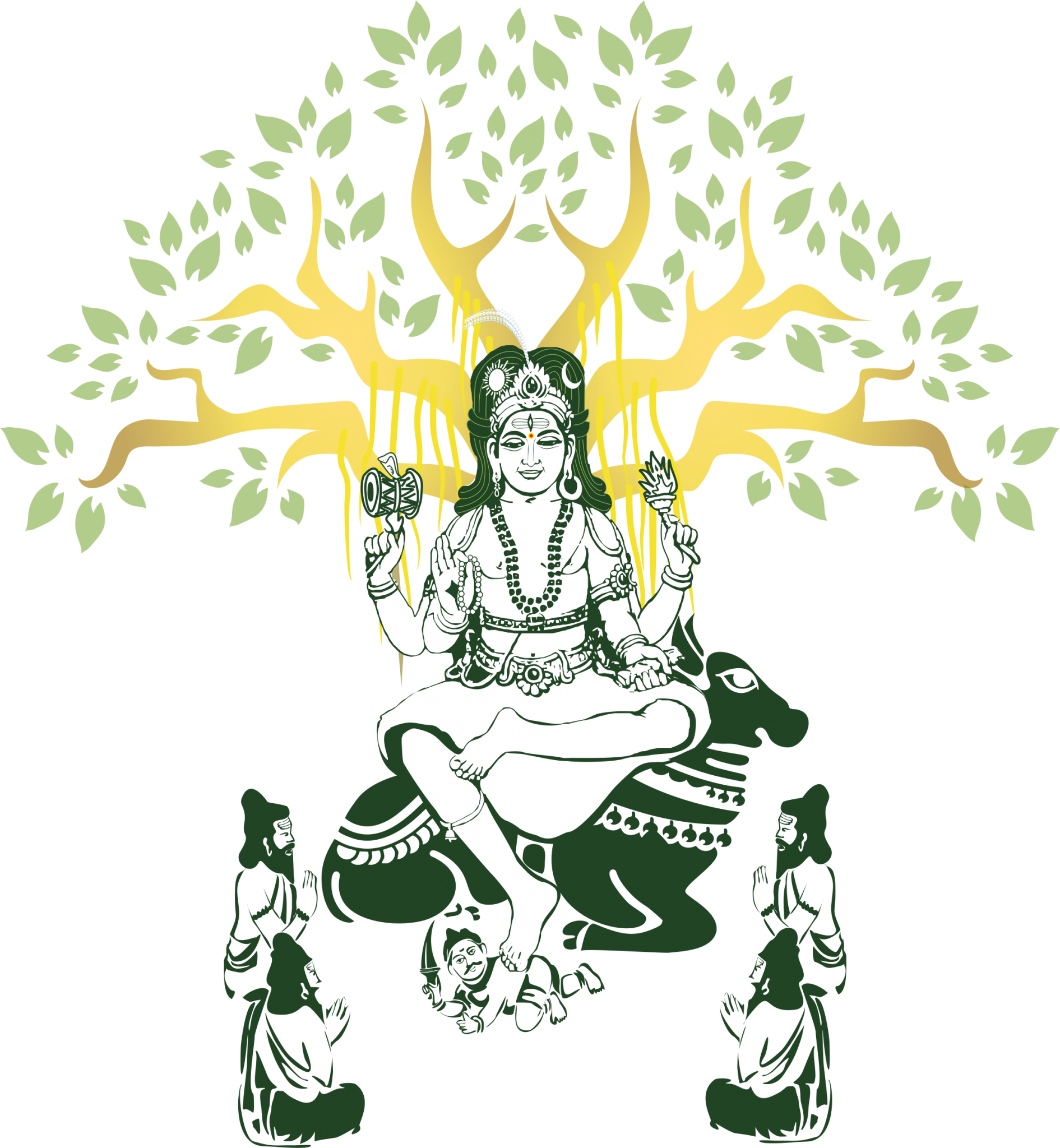
Lord Daksinamurti

From late December to February, the famous hill station dons its purest avatar. The familiar pine forests, cozy cafes, and wooden balconies disappear under a thick, sparkling layer of snow. The River Beas, which usually gurgles with youthful energy, slows down, its edges freezing into delicate crystals.

When winter cloaks the Himalayas in a blanket of white, Manali transforms into something straight out of a dream. The "snow time" in Manali is not just a season; it’s a feeling, an experience, and a memory that lingers forever.

If you’ve never seen Manali in its snow time, you haven’t seen Manali at all. Pack your warmest coat, leave your worries behind, and go chase the snow.

Walking through the Mall Road during snow time is magical. The crunch of fresh snow beneath your boots, the chill in the air that bites your cheeks, and the sight of fluffy white flakes drifting down from a grey sky – it feels like a live postcard. Children build snowmen, couples steal warm hugs, and vendors sell hot Maggi noodles and steaming cups of chai, creating a perfect contrast to the icy world outside.

But perhaps the best part of Manali’s snow time is the quiet. The town slows down. Fires crackle in hotels, windows fog up from the inside, and everyone looks for an excuse to stay in bed a little longer. It’s romantic, it’s wild, and it’s peaceful – all at once.

For adventure lovers, Solang Valley and Vashisht become playgrounds. Snow time means skiing down gentle slopes, gliding on a snow tube, or simply having a cheerful snowball fight. And then there’s the legendary drive to Rohtang Pass – a breathtaking journey through snow tunnels and vast white deserts.

manali snow time

Arsha Vidya Gurukulam was founded in 1986 by Pujya Sri Swami Dayananda Saraswati. In Swamiji’s own words,

“When I accepted the request of many people I know to start a gurukulam, I had a vision of how it should be. I visualized the gurukulam as a place where spiritual seekers can reside and learn through Vedanta courses. . . And I wanted the gurukulam to offer educational programs for children in values, attitudes, and forms of prayer and worship. When I look back now, I see all these aspects of my vision taking shape or already accomplished. With the facility now fully functional, . . . I envision its further unfoldment to serve more and more people.”

Ārṣa (arsha) means belonging to the ṛṣis or seers; vidyā means knowledge. Guru means teacher and kulam is a family.  In traditional Indian studies, even today, a student resides in the home of this teacher for the period of study. Thus, gurukulam has come to mean a place of learning. Arsha Vidya Gurukulam is a place of learning the knowledge of the ṛṣis.

The traditional study of Vedanta and auxiliary disciplines are offered at the Gurukulam. Vedanta mean end (anta) of the Veda, the sourcebook for spiritual knowledge.  Though preserved in the Veda, this wisdom is relevant to people in all cultures, at all times. The vision that Vedanta unfolds is that the reality of the self, the world, and God is one non-dual consciousness that both transcends and is the essence of everything. Knowing this, one is free from all struggle based on a sense of inadequacy.

The vision and method of its unfoldment has been carefully preserved through the ages, so that what is taught today at the Gurukulam is identical to what was revealed by the ṛṣis in the Vedas.