Marikolunthu Plant May 2026

One day, while tying her hair, the young woman saw her reflection in the brass pot—and gasped. Her own face had softened into Patti’s. Her silence had become a song. Her forgetting had become remembering.

In a sleepy village nestled between a river and an ancient banyan tree, lived an old woman named Patti. Her garden was wild with jasmine, tulsi, and marigold, but her most treasured plant was the unassuming Marikolunthu—its green leaves humble, its trumpet-shaped flowers hidden in tight buds until late afternoon. marikolunthu plant

Years ago, Patti’s only daughter had left for the city, promising to return. She never did. But every afternoon, as the sun softened and the Marikolunthu bloomed, Patti would whisper a name into its petals. The villagers thought it was a widow’s fancy. One day, while tying her hair, the young

Patti smiled, her eyes wet. “I know, my child. The flowers told me the day you arrived. They only bloom for those who remember where love begins.” Her forgetting had become remembering

Every day at exactly four o’clock, the flowers would burst open—crimson, yellow, white, and sometimes a strange marbled mix. The children called it the “evening surprise.”

And from that day, the Marikolunthu in that garden bloomed not just at four o’clock, but all through the night—a small miracle for a love that waited beyond time. Would you like a version of this story tailored for children or for a moral values lesson?

Here’s a short, evocative story about the Marikolunthu plant (also known as Mirabilis jalapa or the Four O’Clock flower):


One day, while tying her hair, the young woman saw her reflection in the brass pot—and gasped. Her own face had softened into Patti’s. Her silence had become a song. Her forgetting had become remembering.

In a sleepy village nestled between a river and an ancient banyan tree, lived an old woman named Patti. Her garden was wild with jasmine, tulsi, and marigold, but her most treasured plant was the unassuming Marikolunthu—its green leaves humble, its trumpet-shaped flowers hidden in tight buds until late afternoon.

Years ago, Patti’s only daughter had left for the city, promising to return. She never did. But every afternoon, as the sun softened and the Marikolunthu bloomed, Patti would whisper a name into its petals. The villagers thought it was a widow’s fancy.

Patti smiled, her eyes wet. “I know, my child. The flowers told me the day you arrived. They only bloom for those who remember where love begins.”

Every day at exactly four o’clock, the flowers would burst open—crimson, yellow, white, and sometimes a strange marbled mix. The children called it the “evening surprise.”

And from that day, the Marikolunthu in that garden bloomed not just at four o’clock, but all through the night—a small miracle for a love that waited beyond time. Would you like a version of this story tailored for children or for a moral values lesson?

Here’s a short, evocative story about the Marikolunthu plant (also known as Mirabilis jalapa or the Four O’Clock flower):

ようこそ
BIOHAZARD PORTALへ!

「バイオハザード ポータル」とは、バイオハザードの最新情報はもちろん、バイオハザードファンもまだそうでない方でも楽しめるさまざまなコンテンツや、世界中のバイオハザードプレイヤーのデータなどをお届けする「バイオハザード」のブランドサイトです。
CAPCOM IDでログインして全てのコンテンツを楽しもう! 今すぐ登録!

BIOHAZARD PORTAL

サイト統合、認証システム変更について

本サイトは、BIOHAZARDシリーズ公式サイト、BIOHAZARD CLUB96、 BIOHAZARD AMBASSADOR PROGRAM、
RESIDENT EVIL.NET、RESIDENT EVIL PORTALのサイトを統合しております。

本サイトについて

通信エラーが発生しました (エラーコード: UAP0001)

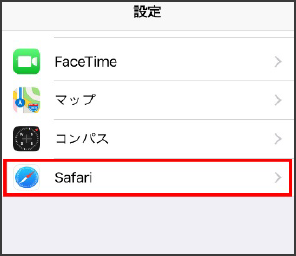
Safariをご利用の方へ
ご利用のブラウザがSafariの場合、"バイオハザードアンバサダープログラム"が
正常に動作しない可能性があります。
その際は、以下のいずれかの方法にてご利用願います。